How to Choose Print Materials for Small Business
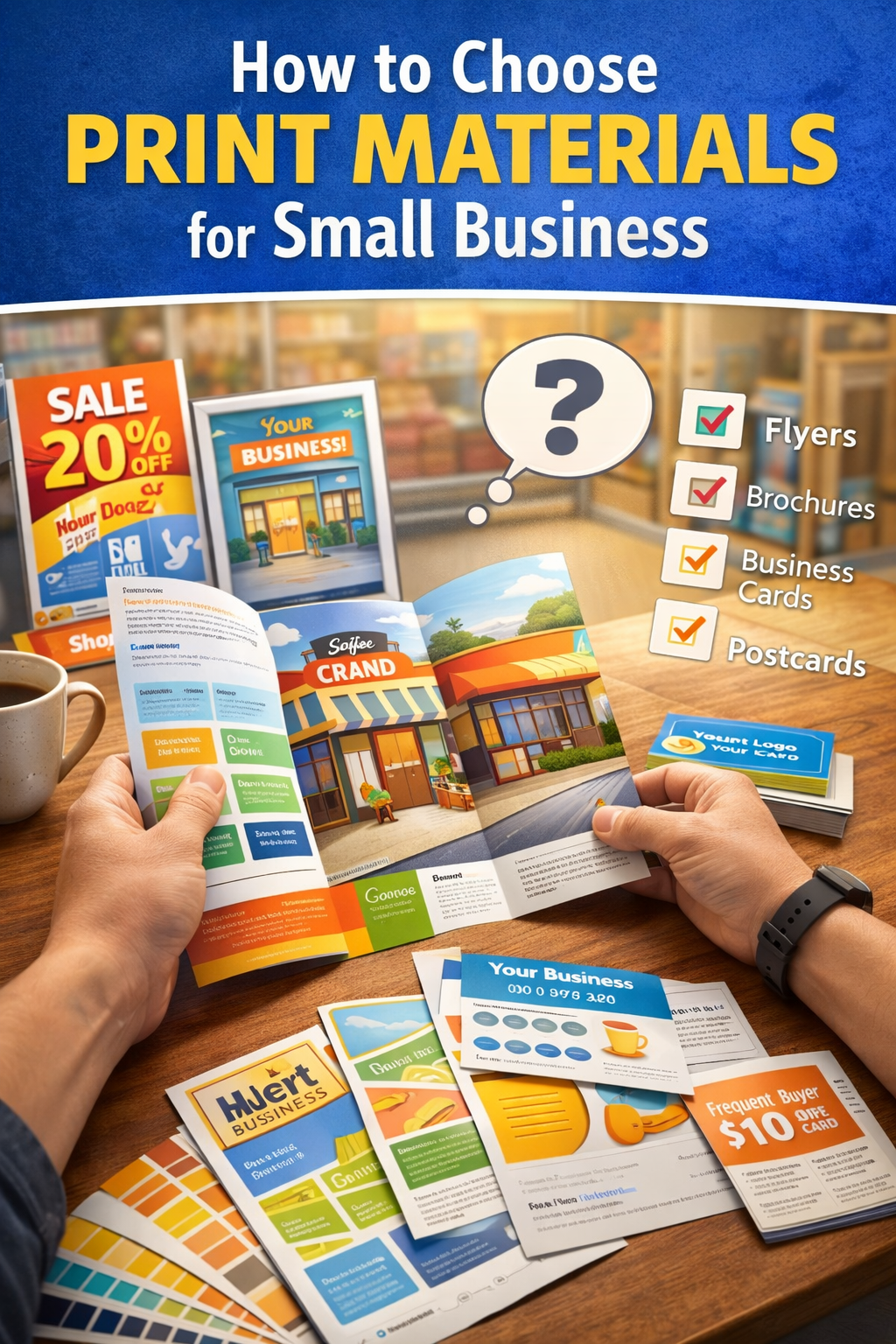
How to Choose Print Materials for Small Business: A Practical Guide to Making a Lasting Impression
Ever wonder why some small businesses seem to pop up everywhere, while others fade into the background? Here’s the thing: It’s often not just about having a great product—it’s about how you present yourself. Even in our digital-heavy world, the right print marketing materials can make your small business stand out, build trust, and turn curious strangers into loyal customers. As someone who’s helped dozens of entrepreneurs refine their print strategy, I know firsthand how the right choices here can move the needle in surprising ways.
But picking the best print assets isn’t about grabbing the cheapest business cards or slapping your logo on a flyer. You need to think strategically: What materials will actually help you spark conversations, stay top-of-mind, and drive real results? In this guide, I’ll walk you through the process, sharing tips, examples, and hard-earned lessons. We’ll explore everything from business cards to custom packaging, compare popular options, and dig into the details that matter (like quality, consistency, and targeting the right audience). Ready to build a print toolkit that works as hard as you do? Let’s jump in.
1. The Role of Print Marketing Materials in Small Business Success
I’ve lost count of the number of times a business owner has asked, “Do printed materials even matter anymore?” My answer: Absolutely. Print marketing materials still pack a punch, especially for small businesses looking to boost their local visibility and connect with real people, face-to-face.
Why Print Still Works
- Tangible impact: A physical brochure, menu, or card sticks in the mind—and sometimes on the fridge—long after a digital ad is forgotten.
- Trust-building: Well-crafted print pieces show you care about your brand and your customer’s experience.
- Less competition: Your mailbox isn’t as crowded as your inbox, so your message is more likely to get noticed.
When Print Outshines Digital
Think about trade shows, local events, retail counters, or networking meet-ups. These are places where printed marketing assets can start conversations and create real-world connections. While digital marketing strategies have their place, print offers a tangible way to reinforce your brand’s presence.
2. Understanding Your Small Business Goals and Audience
Before you order anything, take a pause. What are you really trying to achieve? Are you hoping to increase foot traffic, build brand awareness, or support a specific promotion? Getting clear on your goals helps you pick the right tools for the job.
Define Your Objectives
- Are you launching a new product or service?
- Do you want to drive more in-store visits?
- Is your priority ongoing customer loyalty?
Know Your Audience
It’s easy to print what you like, but what matters is what resonates with your customers. Try to answer:
- Who are they? (Age, interests, location?)
- Where do they interact with your business?
- What would make them engage with your materials?
For example, if you run a yoga studio and your clients are eco-conscious millennials, recycled paper flyers and minimalist business cards may strike the right chord. On the other hand, a bakery targeting families might lean toward colorful menus and fun loyalty punch cards.
3. Essential Print Marketing Materials Every Small Business Should Consider
Let’s get practical. Not every business needs every type of print material, but there are a few staples that I recommend almost every small business owner keep in their arsenal.
Business Cards
Yes, they’re old-school—but they work. Handing off a well-designed card at a networking event or when you meet a potential client can make all the difference. I always say: Don’t skimp here. Use quality cardstock, clear contact info, and your logo.
Flyers and Brochures
Perfect for sharing detailed info, promoting events, or explaining services. Flyers are great for quick reads and broad distribution; brochures let you tell a deeper story. I’ve seen service businesses double their inquiries just by leaving a stack of brochures at community centers.
Posters and Banners
For storefronts or events, a bold poster or banner can stop people in their tracks. Use them to highlight sales, new products, or seasonal offers.
Menus, Product Sheets, and Price Lists
Restaurants, salons, and retailers especially benefit from clear, attractive menus and product sheets. They help manage expectations and reduce confusion—plus, they’re a great upsell tool.
Loyalty Cards, Coupons, and Appointment Reminders
Want customers to come back? Give them a reason. Loyalty cards and coupons encourage repeat visits, while appointment cards keep your calendar full. In my experience, these little touches build big loyalty.
4. Design Principles: Making Your Print Materials Stand Out
Your print pieces are often a first impression. If they look sloppy or generic, people will assume the same about your business. Here’s what to focus on:
Simplicity and Clarity
- Stick to one or two fonts (avoid the urge to get fancy).
- Use your brand colors consistently.
- Prioritize readability—no tiny text or clutter.
Visual Hierarchy
Guide the reader’s eyes. Headlines, subheadings, and calls-to-action should stand out. A QR code or website link should pop but not overpower the design.
Consistent Branding
Every piece should feel like it’s from the same family. Use your logo, brand voice, and imagery throughout. This reinforces your identity and builds trust.
Professional Quality
DIY is tempting, but poor print quality screams “amateur.” I recommend using a reputable local printer or an established online service. Ask for samples before committing to a big run.
5. Choosing the Right Materials: Paper, Finishes, and Special Touches
Now, let’s talk materials. The feel of your print marketing materials matters as much as how they look. Here are key considerations:
Paper Stock and Weight
Thicker paper feels more substantial and lasts longer. For business cards and menus, I usually suggest at least 14pt cardstock. For flyers, a lighter weight (80-100lb) works, but avoid anything flimsy.
Finishes: Matte, Gloss, and More
- Matte: Smooth, elegant, and glare-free—great for a modern look.
- Gloss: Shiny and vibrant—colors pop, but fingerprints can show.
- Uncoated: Natural feel, easy to write on (perfect for appointment cards).
Specialty Options
Want to really stand out? Consider:
- Embossing or debossing (raised or indented text)
- Foil stamping for a bit of shine
- Rounded corners or die-cut shapes
But a note of caution: Don’t go overboard—choose one special element and keep the rest simple for maximum impact.
6. Cost, Quantity, and Print Runs: Balancing Budget and Impact
Let’s talk numbers. I’ve seen businesses waste thousands on print runs that end up in storage boxes. Here’s how to avoid that:
How Many Do You Really Need?
- Start small: Order the minimum quantity, test, and reorder as needed.
- Consider your business cycle—seasonal promotions might need fewer copies.
Balancing Cost and Quality
Higher quality costs more, but the difference is obvious. Don’t cheap out on your main pieces (like business cards or menus). For mass handouts—think event flyers—mid-range quality is usually fine.
Print in Batches
Ordering in small batches lets you tweak your design and messaging based on real-world feedback. Plus, you won’t get stuck with outdated info if your offerings change.
7. Integrating Print With Digital: Unifying Your Marketing Campaigns
Here’s a pro tip: The best marketing strategies use both print and digital. You don’t have to choose one over the other—in fact, blending them creates a multiplier effect.
Bridging the Gap
- Add QR codes that link to your website, social, or special offers.
- Include hashtags or social handles on all print pieces.
- Track responses with unique promo codes or landing pages.
Case Study: Print-Driven Digital Engagement
One retail client of mine handed out event postcards with a QR code. Recipients who scanned the code got an exclusive online coupon—resulting in a 22% email sign-up increase and a measurable uptick in in-store visits. That’s how you connect the dots between physical and digital.
8. Measuring Results and Adjusting Your Approach
Don’t just print and hope. Track what’s working. Are people bringing in coupons? Mentioning your flyers? Scanning your QR codes? Without feedback, you’re flying blind.
Trackable Print Tactics
- Use unique codes or URLs for each campaign.
- Ask new customers how they heard about you.
- Monitor spikes in web traffic after distributing materials.
Iterate and Improve
Be ruthless about what stays and what goes. If your menu redesign isn’t getting noticed, update the layout. If your business cards aren’t sparking conversations, try a new look or finish. Effective print marketing is about testing and refining, not setting and forgetting.
9. Going Beyond the Basics: Unique and Memorable Print Materials
Want to be unforgettable? Think outside the box. Some of the most powerful printed marketing assets I’ve seen weren’t cards or flyers at all.
Custom Packaging and Branded Giveaways
Imagine a bakery with branded pastry boxes or a boutique with custom tissue paper. Custom packaging turns every sale into an experience and gets people talking. Branded notepads, stickers, or reusable bags can become walking ads for your business.
Event Materials and Swag
Hosting a workshop or pop-up? Print lanyards, badges, or tote bags. I’ve watched customers line up for free branded stickers at community fairs—instant target audience engagement.
Promotional Materials With a Twist
Think door hangers for neighborhood outreach, die-cut magnets for fridges, or even playful bookmarks. These promotional materials keep your business front and center in daily life.
When to Go Big
If you’re launching a major campaign, consider a direct mail booklet or a beautifully printed catalog. They cost more, but for the right audience, the impact can be huge. Just be sure your design and message are on point.
Conclusion: Building a Print Marketing Toolkit That Drives Results
Choosing the right print marketing materials isn’t about checking boxes—it’s about building a toolkit that fits your brand, your goals, and your customers’ needs. Focus on quality and consistency, measure what works, and don’t be afraid to experiment. Remember, the most effective print marketing isn’t the flashiest—it’s the stuff that gets noticed, remembered, and acted on.
So, what’s your next step? Start by reviewing your current materials. Ask yourself: Are they making the impression you want? If not, it’s time for a refresh. Reach out to local printers, ask for samples, and test new ideas in small batches. And if you’re ever stuck, look at what’s working for your favorite local businesses—they’re probably using tangible marketing materials in ways worth copying (and improving upon).
Print isn’t dead. For small business marketing, it’s more relevant—and more powerful—than ever. Take the leap, invest in the right assets, and watch your business become the one everyone remembers.
Want more on print, branding, or related topics? Check out our in-depth guides for even more ways to make your business shine. From choosing the right paper stock to selecting vibrant colors that align with your brand identity, we cover everything you need to know about print materials for your small business. Whether you’re considering business cards, brochures, flyers, or banners, understanding the nuances of print design can set you apart from the competition. We also delve into the importance of print materials in creating a cohesive brand image, providing you with practical tips and real-world examples to help you make informed decisions. Discover how to effectively communicate your message and attract your target audience through well-crafted print materials. Join us in exploring the endless possibilities that quality print can bring to your business success.

Post Comment